Views: 0 Author: TCH Publish Time: 2023-03-16 Origin: TCH


The most common air hose fittings are 1/4″ NPT with an industrial quick connect threaded on. In certain warehouses or industrial areas, where a higher CFM (cubic feet per minute) and PSI are required, 3/8″ male NPT with a quick disconnect will be more common. This metric depicts how much air will flow through your application.
3/8” hose allows much more air to flow through the hose, compared to using a 1/4″ hose. If you are constantly running an air tool or just want more power, pick 3/8”. Quick disconnects–and most standard air hose fittings such as NPT–are offered in carbon steel, stainless steel, and brass construction.
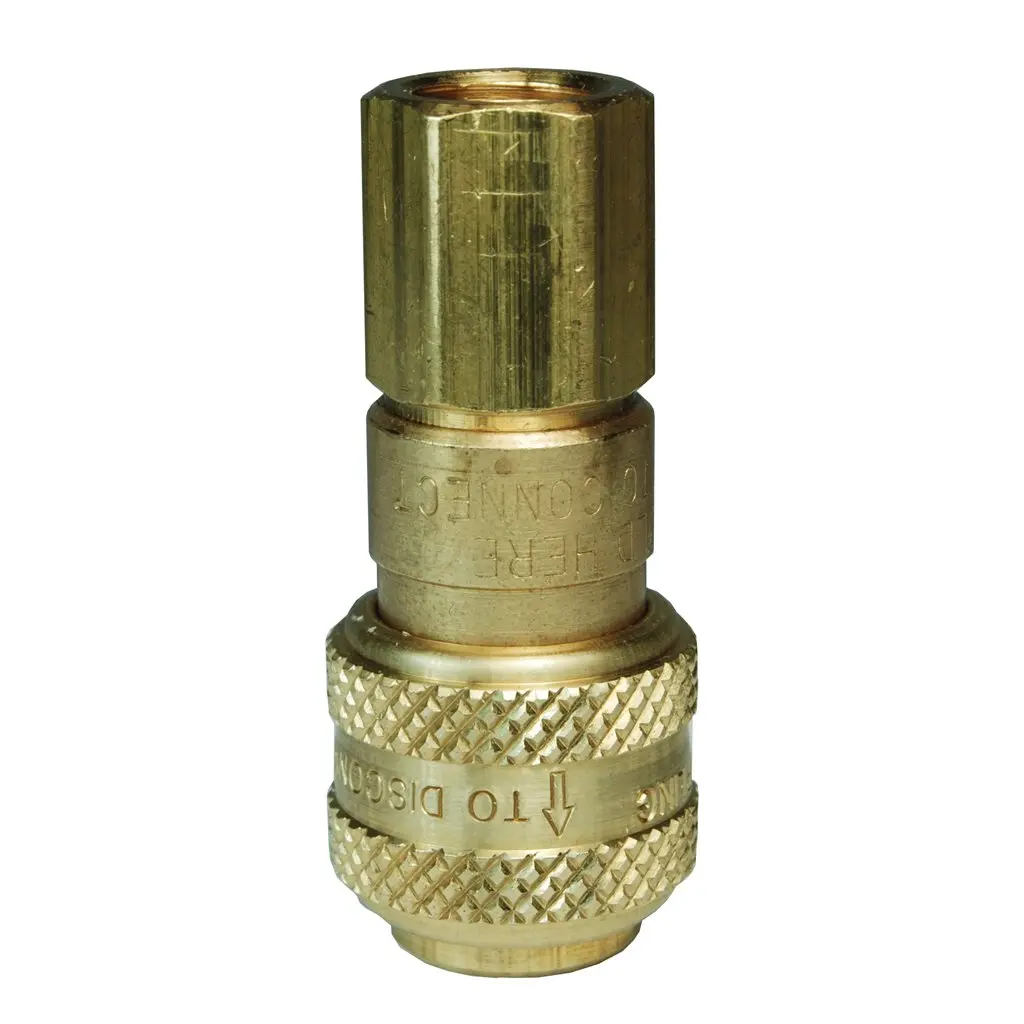
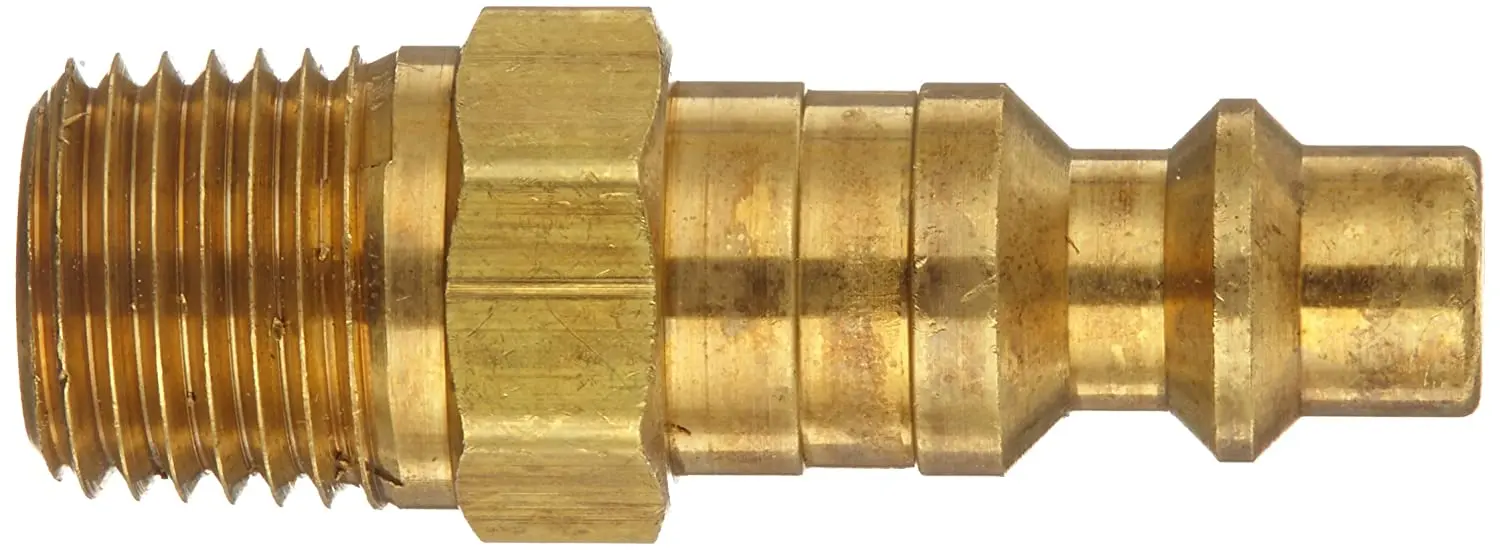
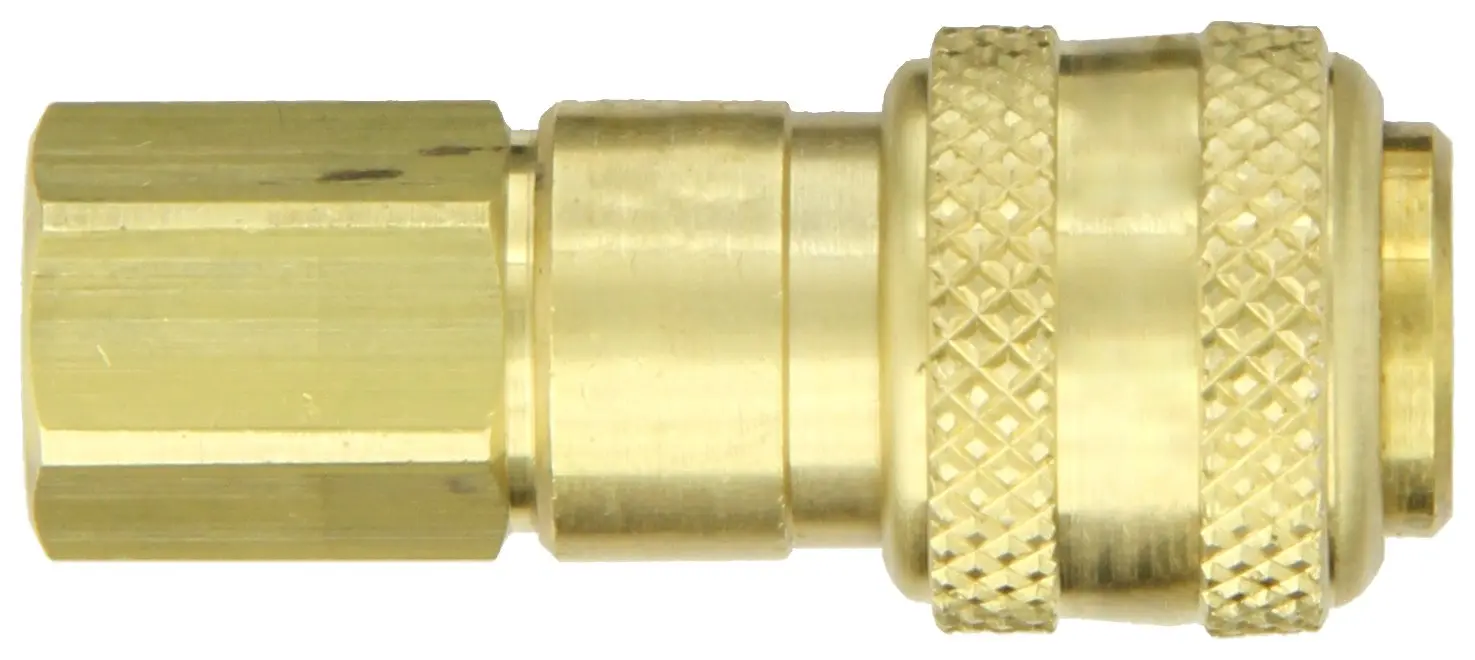
Most applications, such as air hose assemblies and air compressors will use or require a national pipe thread or quick disconnect connection. With quick disconnects, you’ll usually encounter a plug (which serves as a male end) and a coupler (serving as the female end). Don’t be surprised if you see both types of connections used in the same assembly. Many times, our hose assemblies will be built with NPT end connections in order to attach the quick disconnects.
In ninety-nine percent of all applications, the quick disconnects used are industrial, automotive, and ARO.
Plug
Coupler
The most commonly used industry term for air hose fittings is quick disconnect (or sometimes quick connect). You’ll also hear the quick disconnects referred to as male plugs and female couplers. The four common styles are industrial, automotive, ARO, and V-style. One of the new trends in the industry is adopting a color-coded system to identify the type of fitting.
Industrial: Red
ARO: Green
Automotive: Blue
V-style: Purple
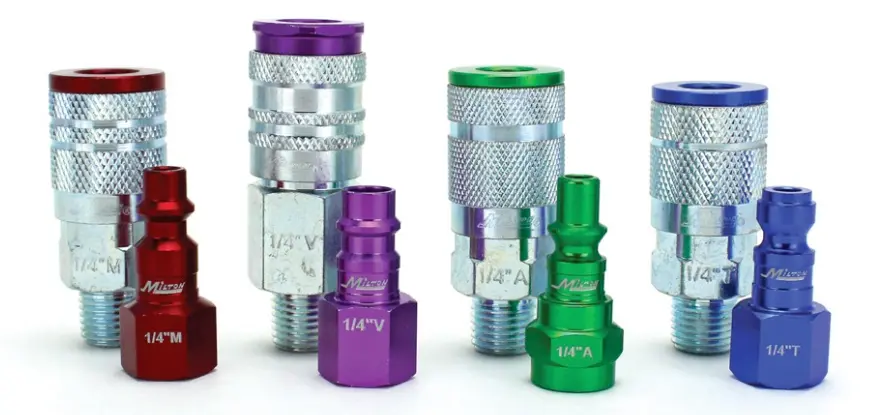
As mentioned before, air hose fittings are all different. To make sure you identify and select the proper fittings for your application, take a look at the shadow board below, or contact TCH for assistance.
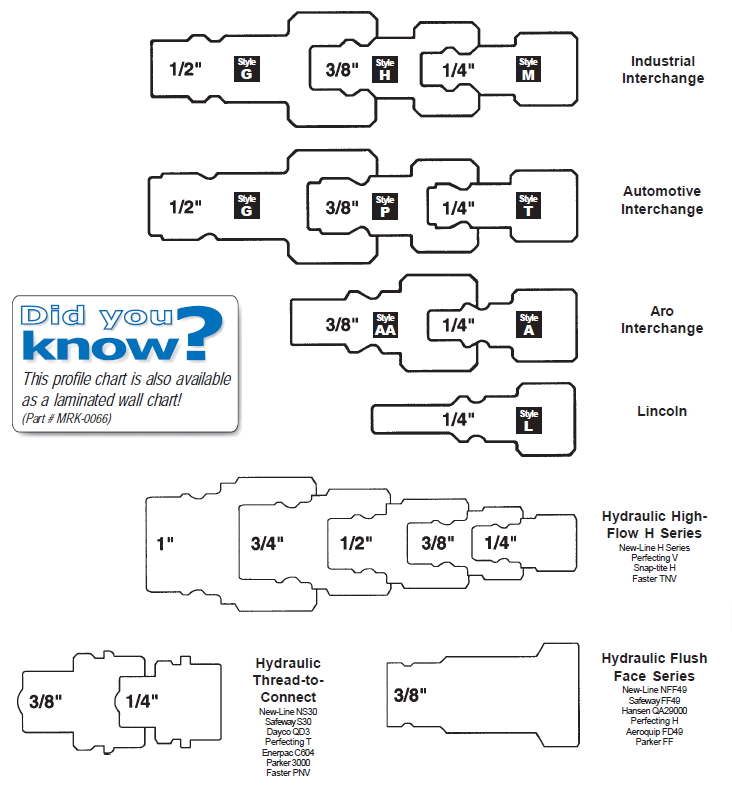
Although each style of air hose quick connect fitting has its own specific style, the biggest difference is where the stainless-steel bearings of the quick connect coupler locks into the groove on the nipple. Even though some series have similar body types, the coupler will not lock into place because of the position of the bearings. You may also notice some small differences in the CFM flow rate versus PSI drop, but it normally isn’t enough to be concerned with.
Short answer: No
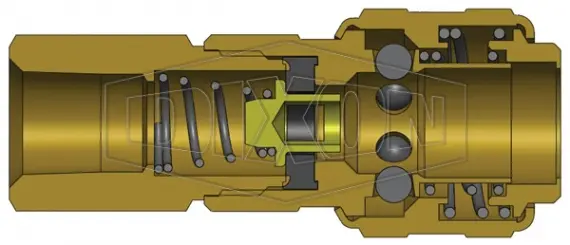
You should not use any air specific item for a water application. Doing so can significantly damage your equipment due to residual water. Any pneumatic quick disconnect is not going to be recommended to, or rated for, use on a water application.
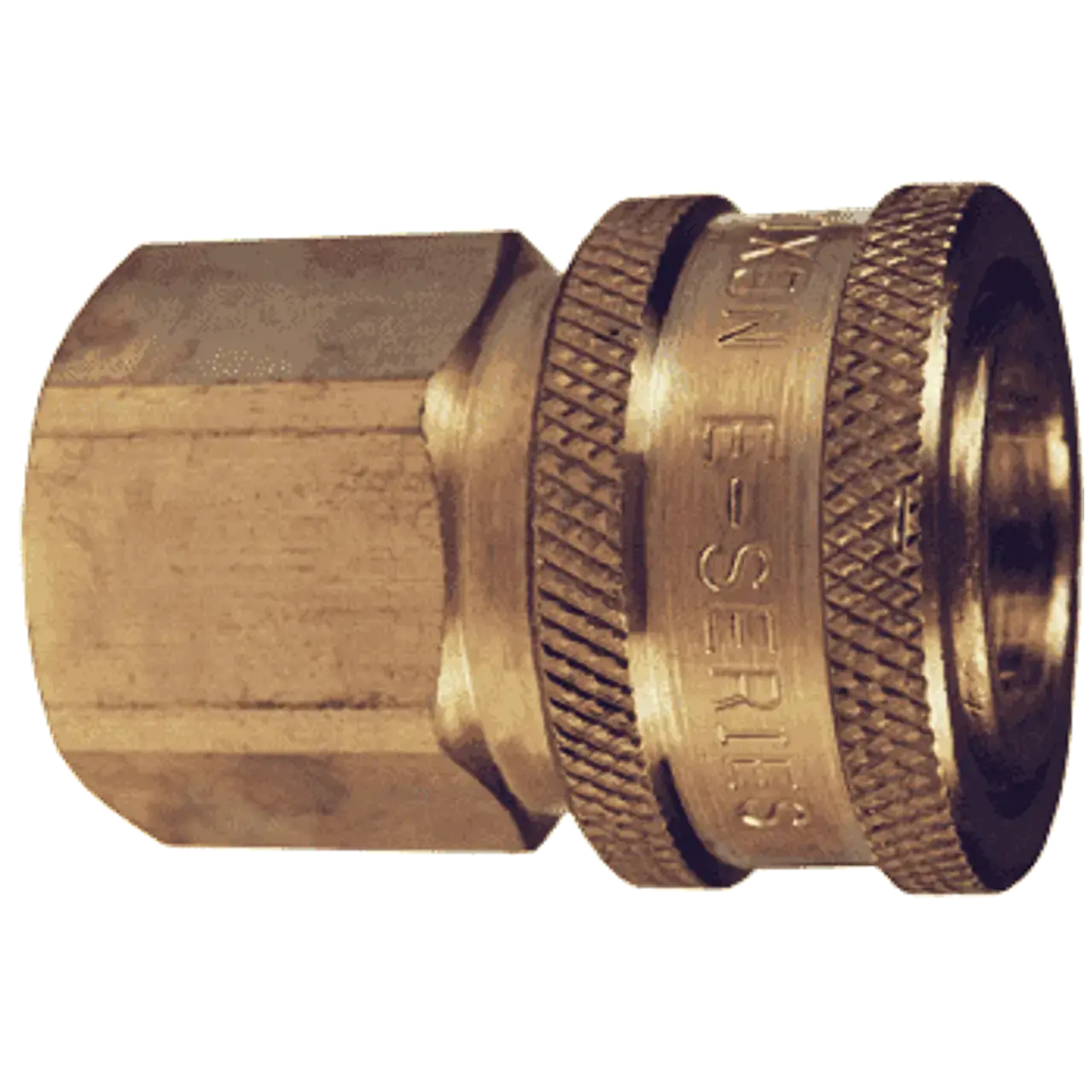
That being said, there are times–if you’re in a pinch–where you might be able to get away with using an air fitting for a water application. But you should immediately replace them with new ones after doing so. For water applications, the E-series quick disconnect is more appropriate, because of its straight-through design. Make sure to speak with a professional at TCH to determine if this is appropriate for your application.
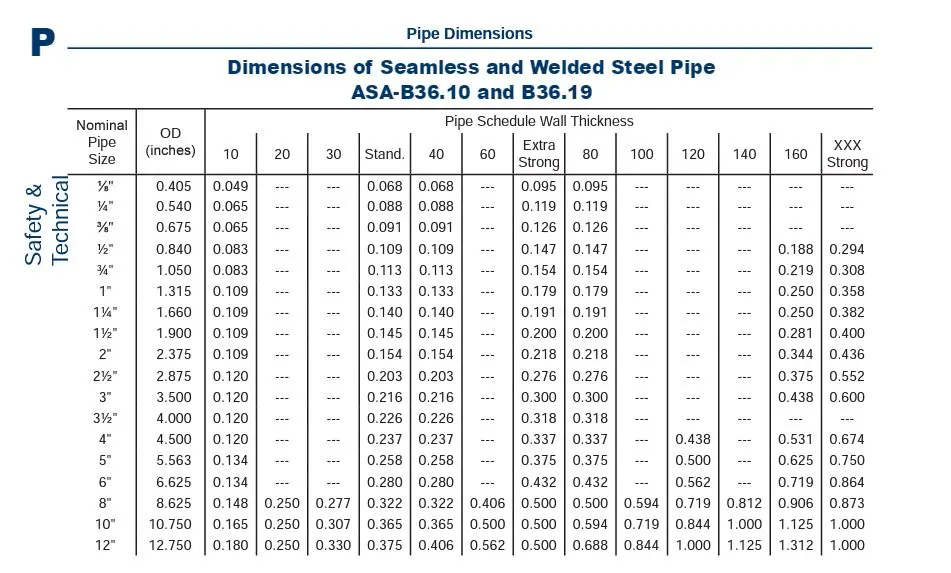
To answer this question, we need to go back to the original question of types of connections. If our application is NPT, it is measured by the nominal size. A good rule of thumb is to measure the outside diameter of the male threads and subtract ¼”. This is the part’s nominal size. If it’s a quick disconnect, however, it will be measured by the nominal body size.
We could say this for almost any question asked, certain situations you face are going to require different answers. However, the general rule of thumb is that 3,000 PSI, with a flow rate of 4 gallons per minute, is the recommended pressure to clean concrete.
Our first step in stopping an air hose fitting from leaking is to find and identify the leak point. If the application is leaking from the threads, you can always try Teflon tape, pipe dope, or thread sealant, and then torque your thread down tighter. If you’re leaking from the quick disconnect, it is normally easier and more cost effective to just purchase a new one, compared to repairing your current quick disconnect.
A lot of times, in our retail store, we also run into hose assemblies that have burst just behind the fitting. In these situations, TCH is always more than happy to cut off the end and crimp a new fitting on to your air hose assembly. If the hole isn’t close enough to the end (or if you can’t afford to lose length on your assembly, we will also cut the hose where the hole is and create a union wherever is needed to get you up and running.


